Description
1.Product Overview
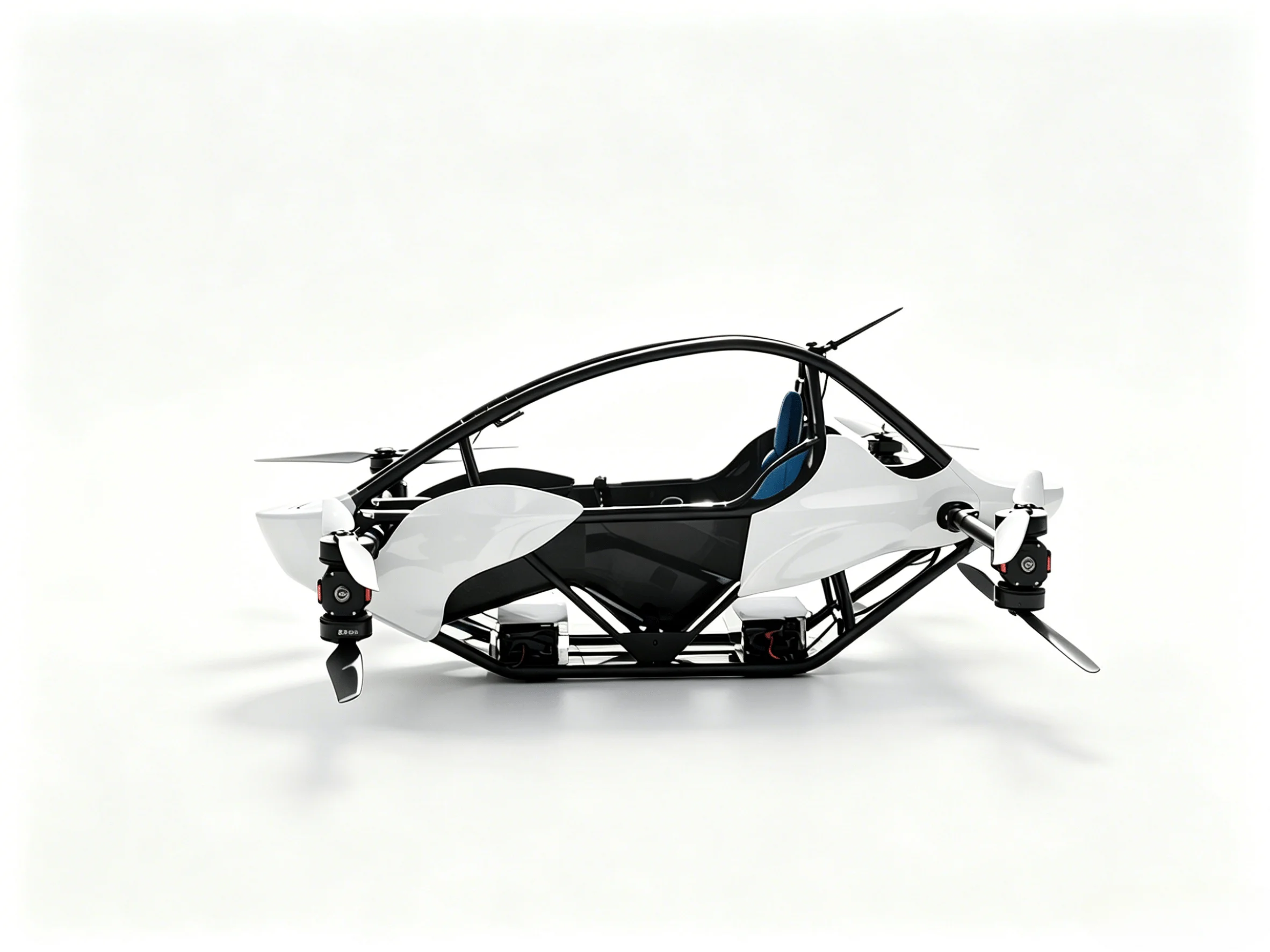
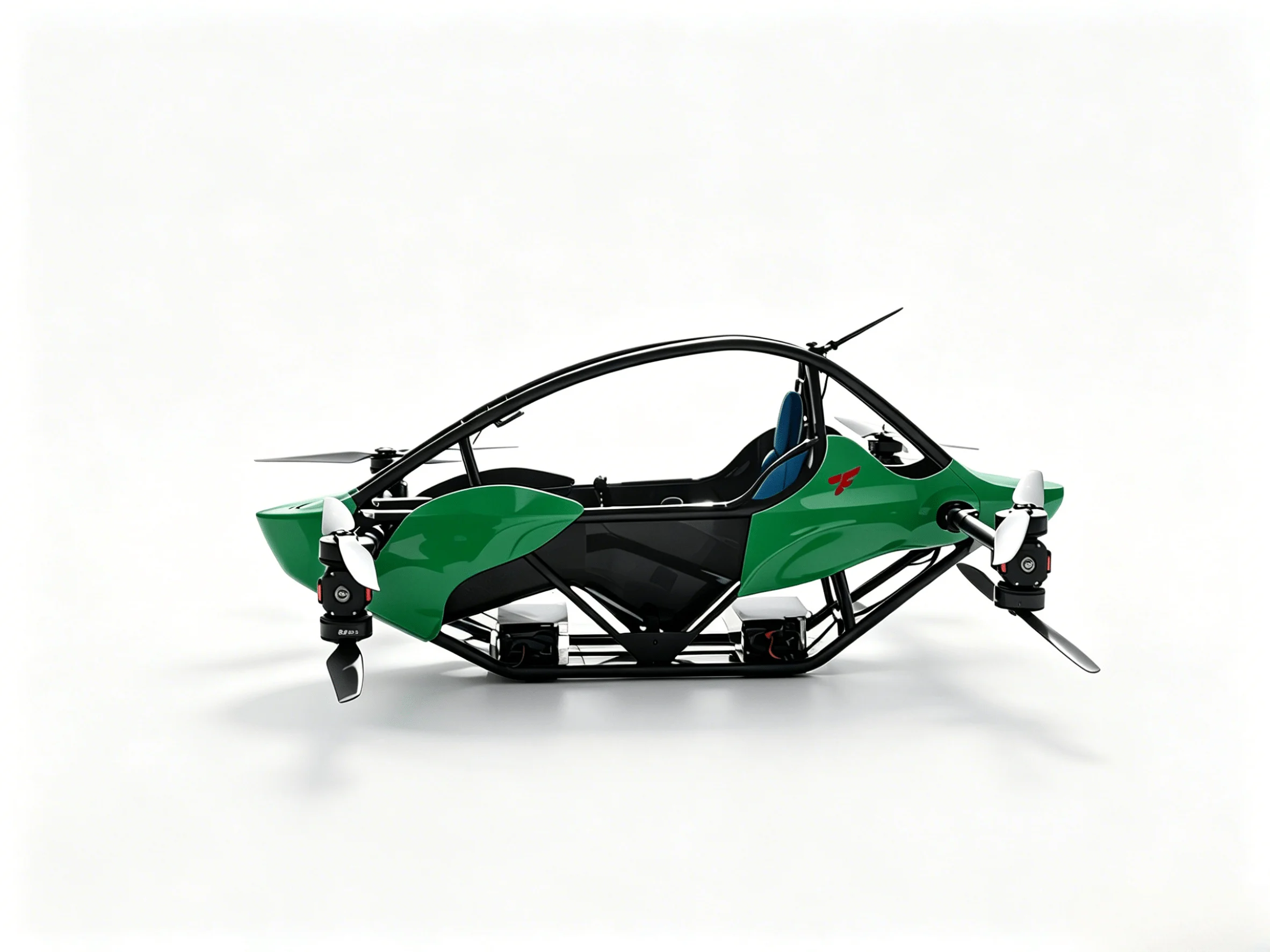
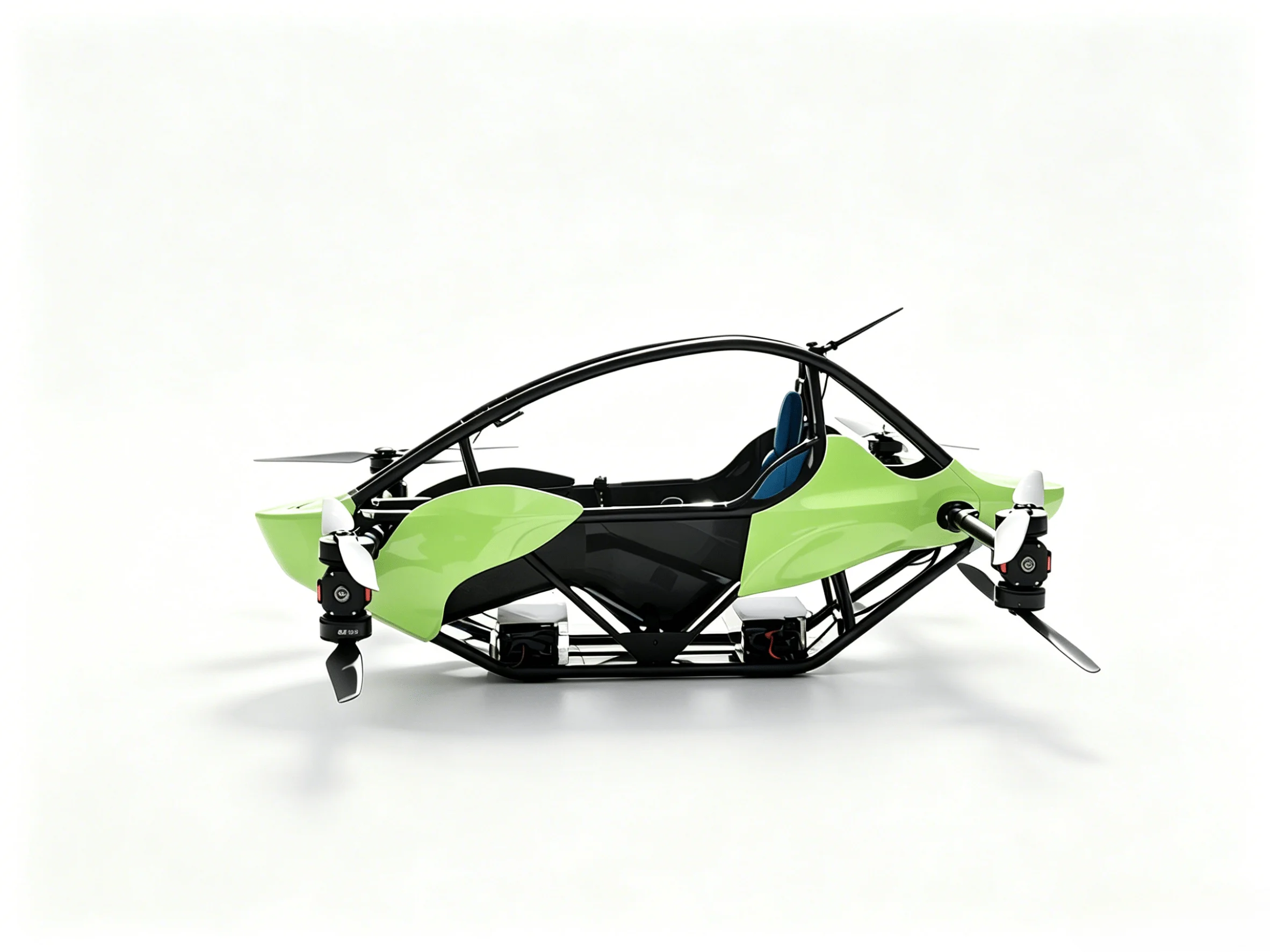
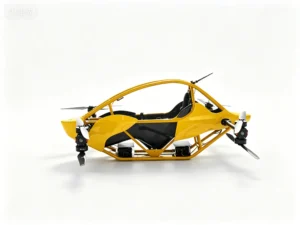
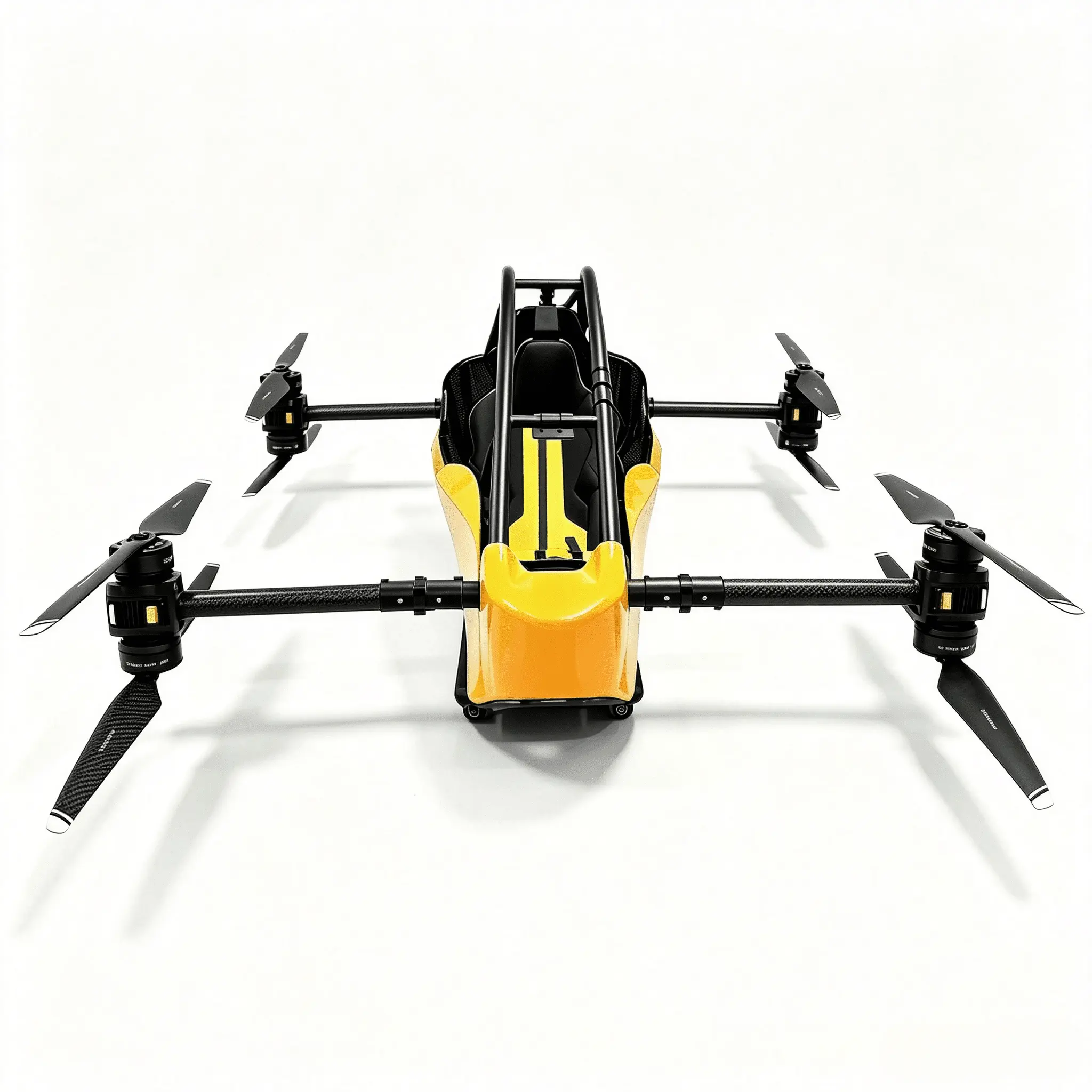
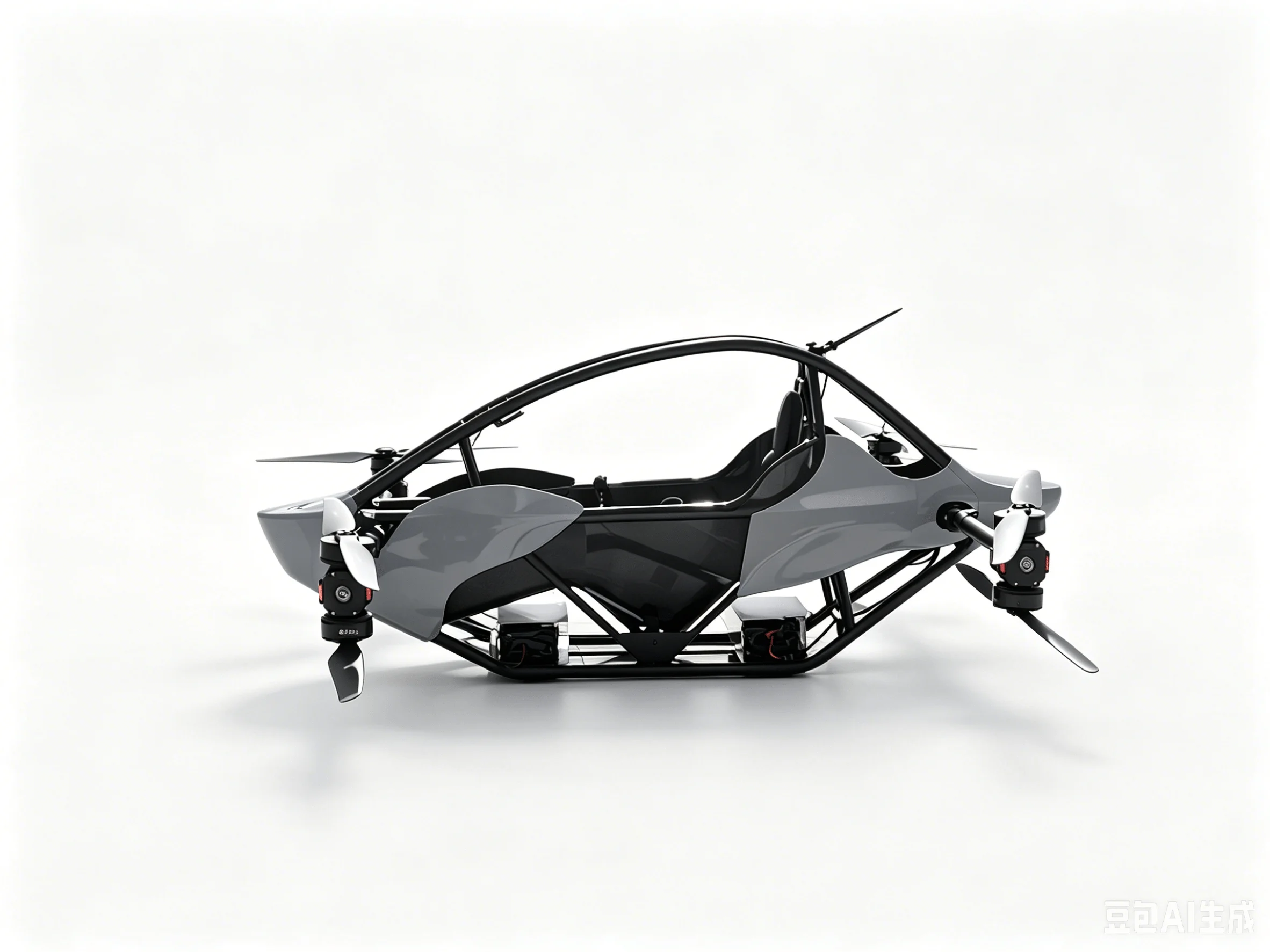
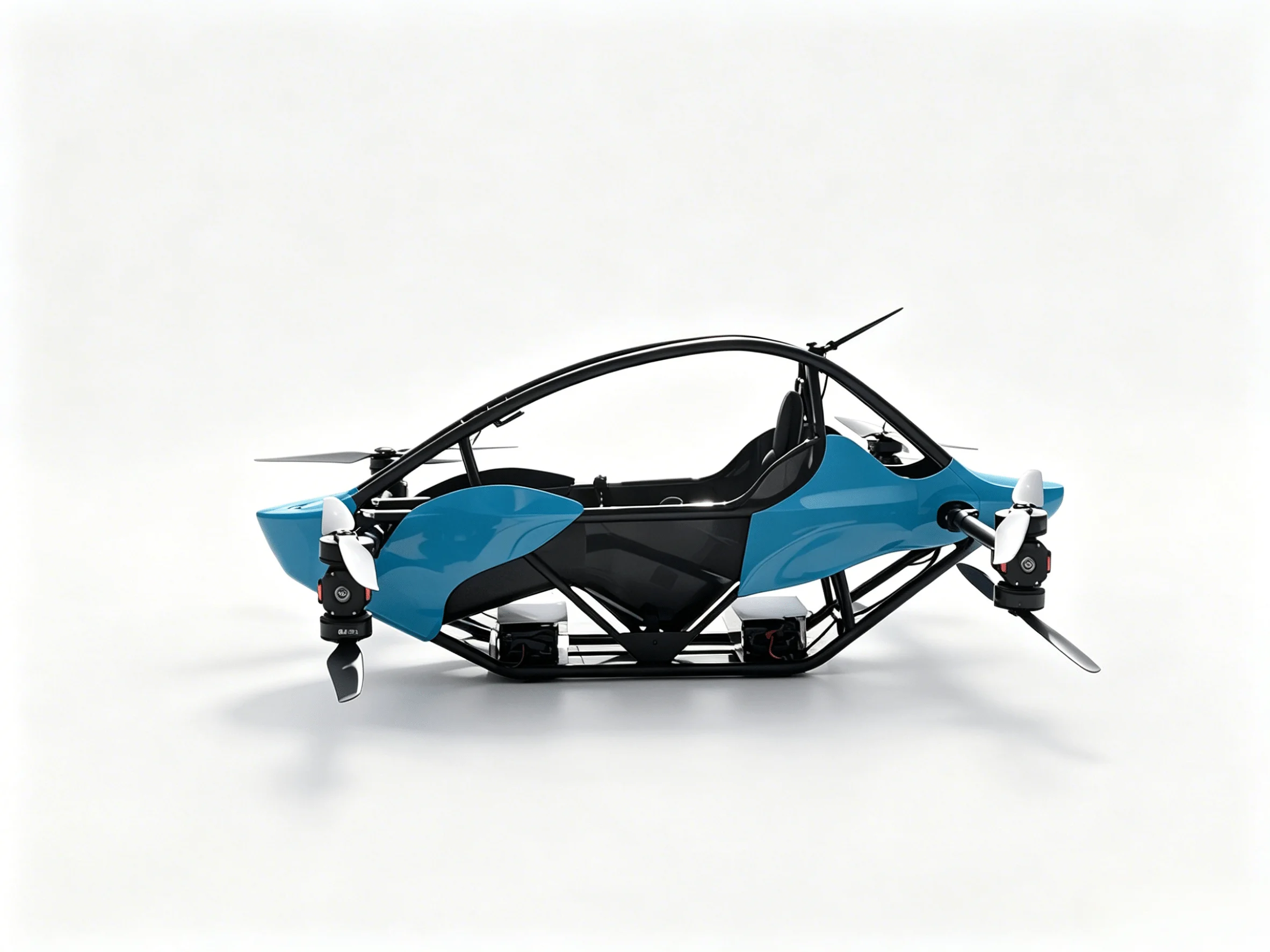
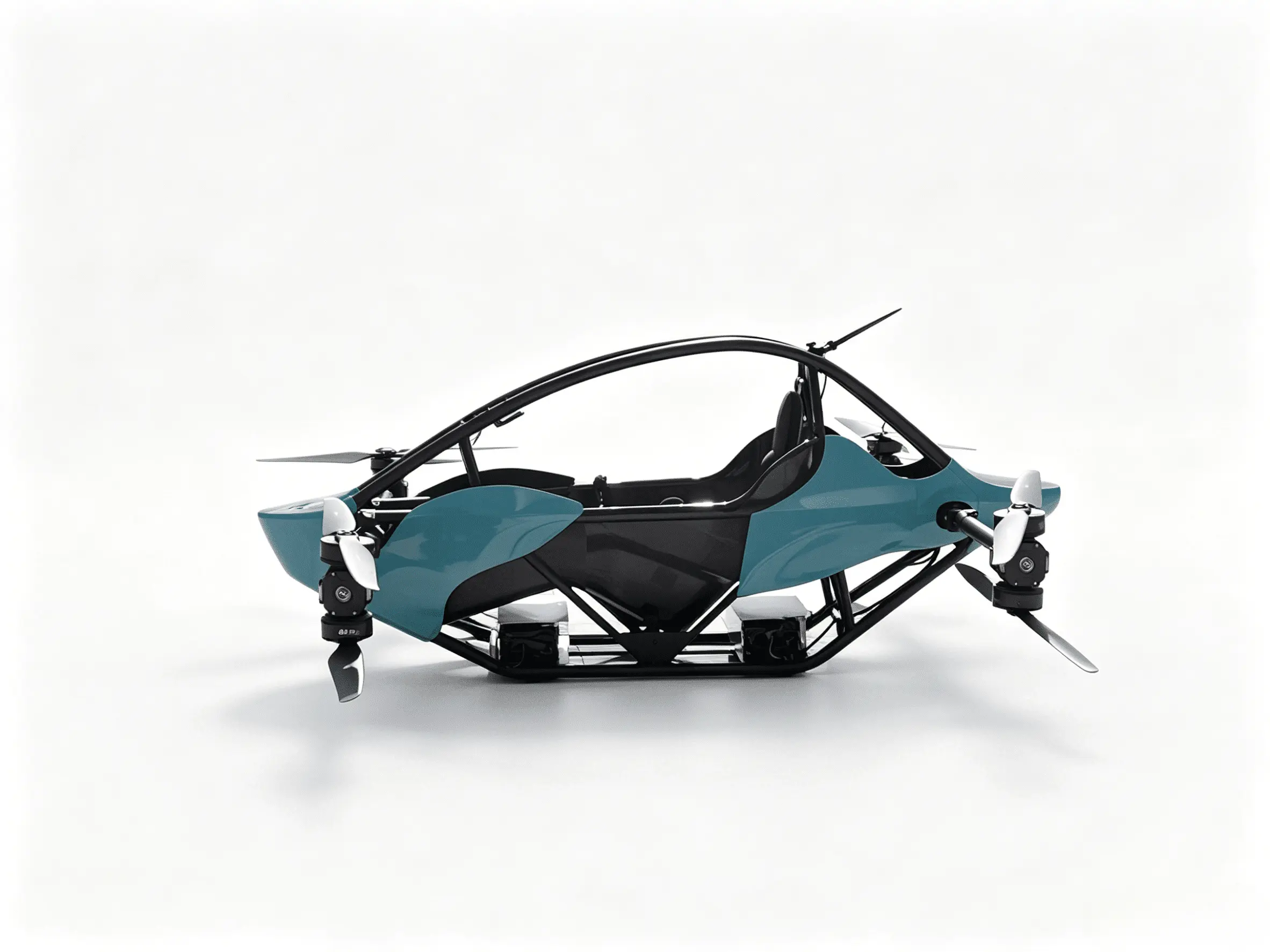
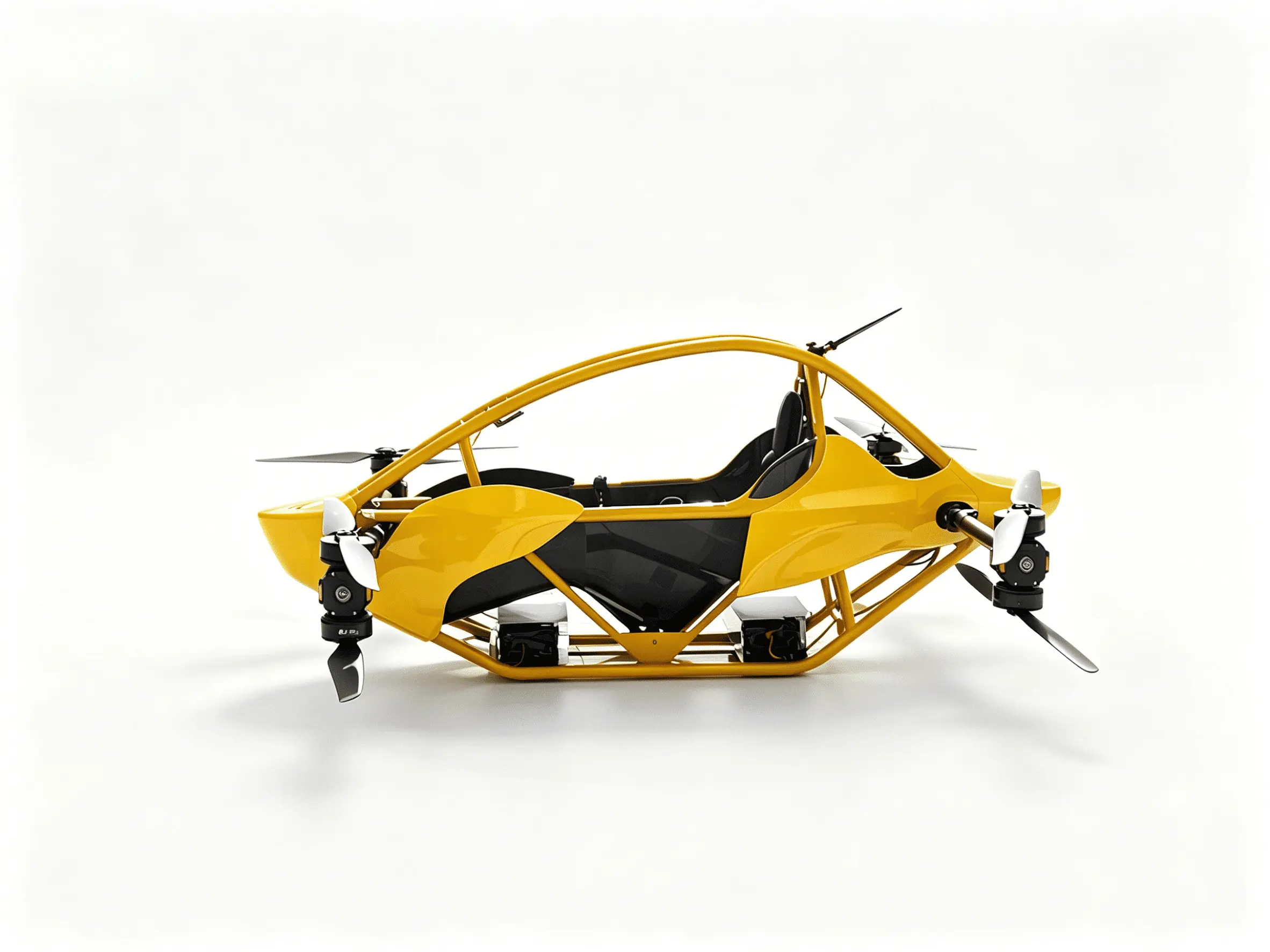
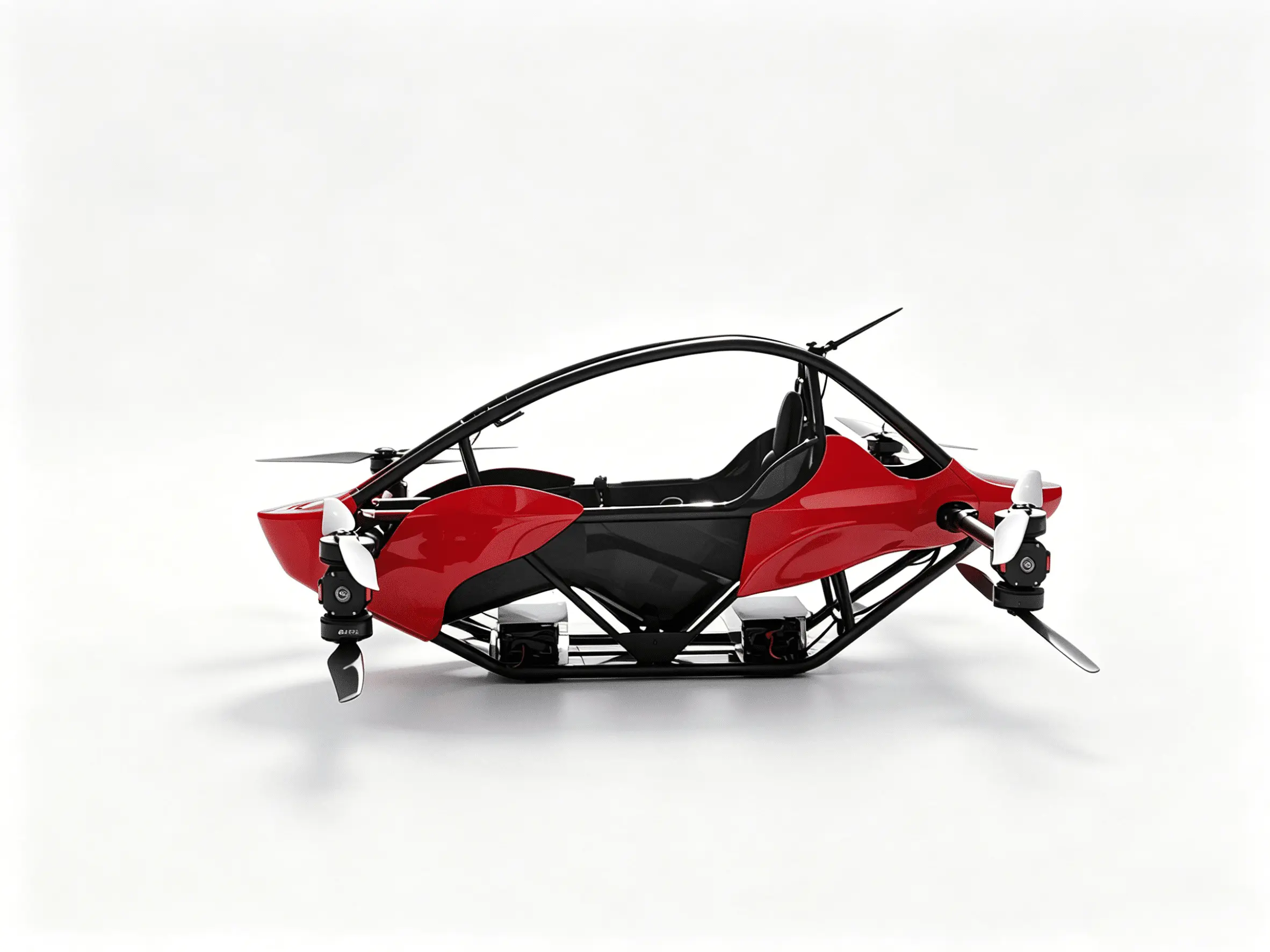
The Yufei S100 is an ultra-lightweight, foldable single-person electric vertical take-off and landing (eVTOL) aircraft, also Is A Personal Flying Kart, Designed Specifically For Low-Altitude Manned Flight—Offering Short-Distance Journeys That Are Safe, Enjoyable, And Inspire Confidence. Its compact design, fast charging and ease of use make it an ideal choice for cultural tourism, sightseeing and special applications.
2.Core parameters
3.Design and functional features
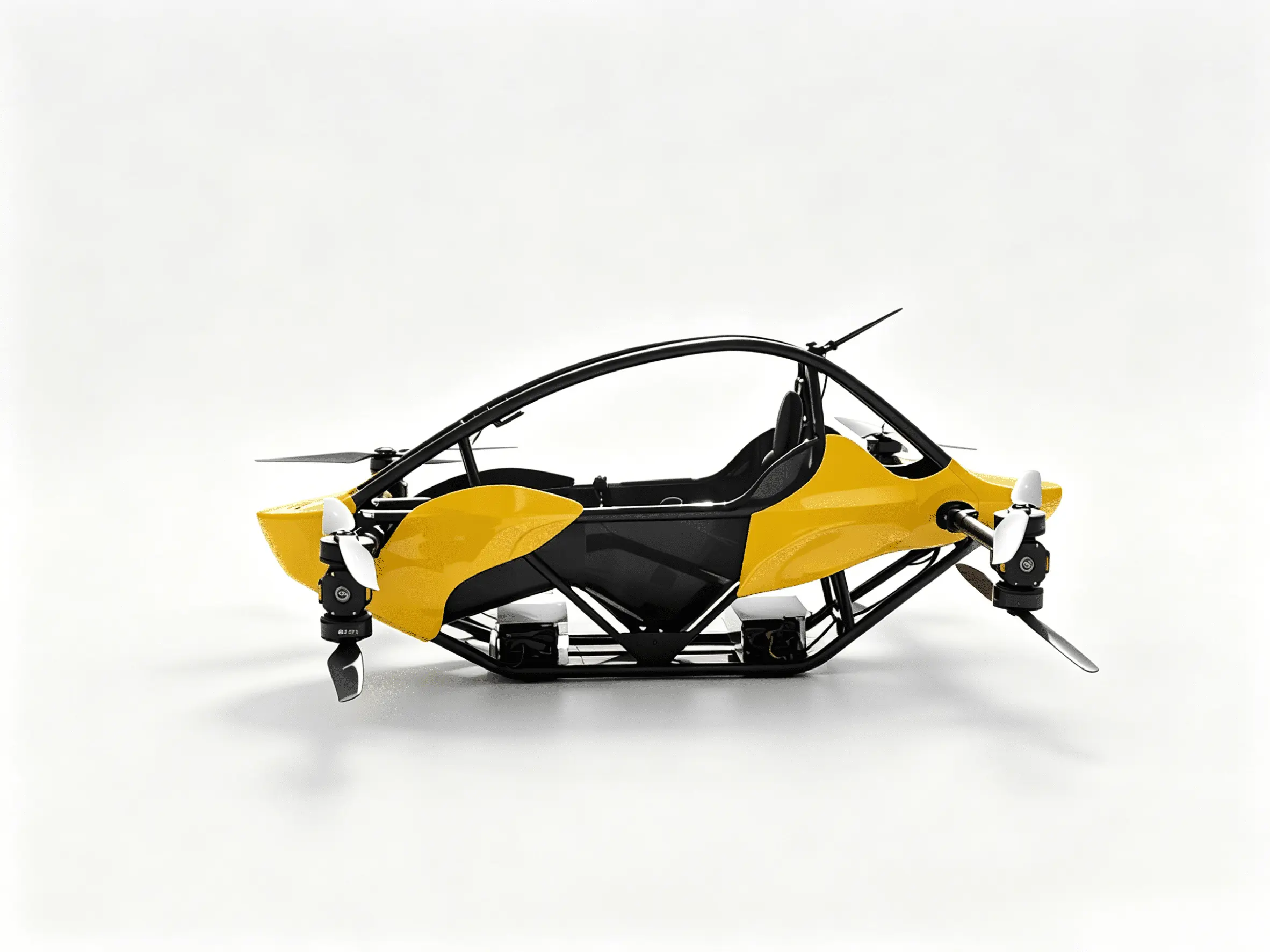
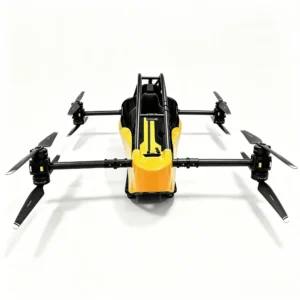
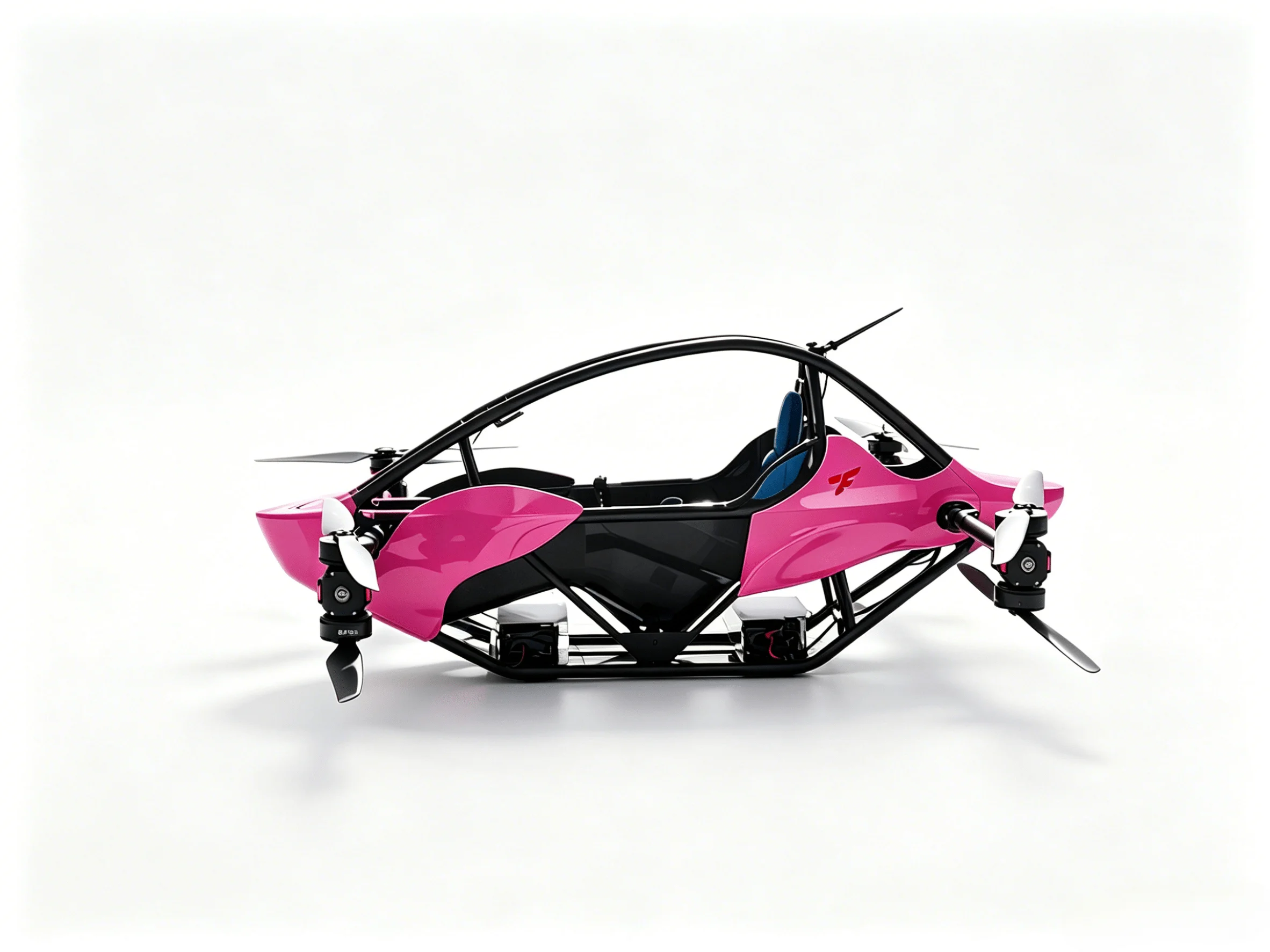
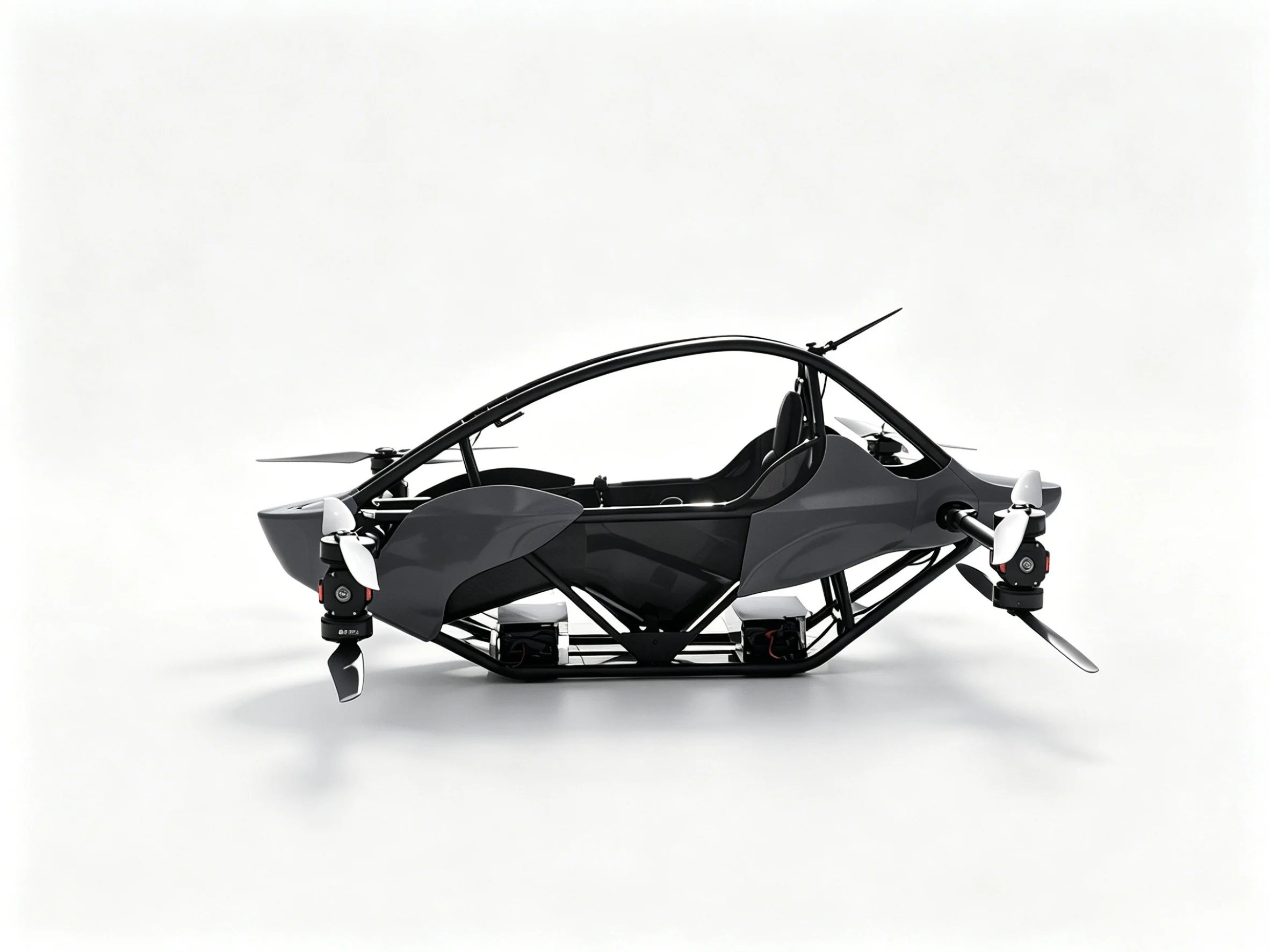
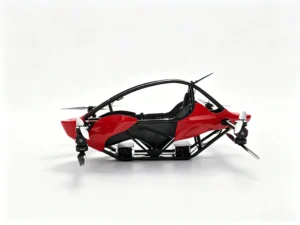
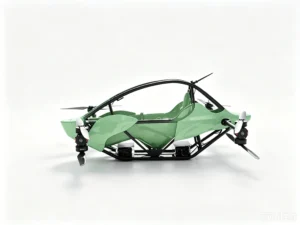
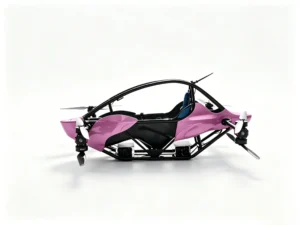
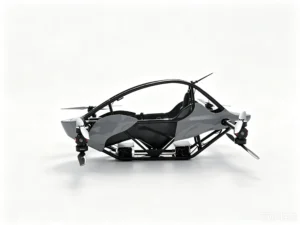
| Core parameters | |
| Project | Parameters |
| Empty load weight:[FAA 2012 include battery] | 115 kg |
| Maximum load Capacity (including pilot): | 90KG-110 kg |
| Maximum Takeoff Weight | 215 kg |
| Wheel Base | 2700mm |
| Cruising speed | 72 km/h |
| Maximum flight speed: | 103 km/h |
| Flight time | 15 minutes (standard load) |
| Maximum flight time=Maximum Battery Life | 20 minutes (max load) |
| Maximum Range(with 0KG load): | 30KM |
| Flight altitude: | ≤ 10 meters (Normal operation);100 meters[actual test];Max 300 meters; |
| Charging time (slow charging): | 50 minutes (from 10% to 95%) |
| Charging time (fast charging): | 15-20 minutes (from 20% to 95%) |
| Power system: | 4 bearings 8 Coaxial motors, |
| Folding size (retrieved state): | Length 2.6m × Width 1.3m × Height 1.2m |
| Extended size (flight state): | Length 2.6m × Width 2.2m × Height 1.25m |
| Battery type: | High energy density lithium polymer battery(dual packs – single can land) 24S-60AH/88.8V/20C LiPo 320×220×280 mm |
| Waterproof rating: | IP54 (drought and dustproof) |
| Wind Resistance Level | Max. Level 8 |
| Manned Range (with a 90KG load) | 10KM [Max. 15 km] |
| Manned Hovering duration (with a 90KG load) | 15 minutes |
| Configuration | Quadcopter, Octacopter (8 Propellers) |
| Frame1SET | aluminum alloy – 32mm OD × 2.0mm Wall |
| Cockpit 1PCS-4KG | Carbon Fiber Integrated Cockpit |
| Shell/Canopy1PCS-4KG | Carbon Fiber |
| Pipe fittings 4PCS | aluminum alloy |
| Folding Kit 4PCS | aluminum alloy |
| Outside Diameter | 60MM |
| Inside Diameter | 55MM |
| Wall Thickness WT | 2.5MM |
| Floating buoy amphibious kit | 27KG-60pound |
| Ballistic parachute | 11KG-24pound |
| NOTICE | |
| 1.FAA Part 103 limit:[Empty weight – Without the pilot and without the payload] | The weight limit for electric vertical take-off and landing ultra-light aircraft at 254 pounds (approximately 115 kilograms).And it is independent of the type of power source – electric, piston, turboprop, multi-rotor VTOL – all fall under the same clause. |
| Powered Empty Weight Limit: | < 254 lbs (115 kg) |
| Unpowered Empty Weight Limit (e.g., ultralight gliders): | < 155 lbs |
| Fuel Capacity: | ≤ 5 U.S. gallons (≈19 L; electric aircraft have no fuel constraint, but batteries count toward empty weight) |
| Maximum Level Flight Speed (at full power): | ≤ 55 knots CAS (≈ 63.3 mph)≈ 101.9 km/h |
| Stall Speed in Unpowered Configuration: | ≤ 24 knots CAS (≈ 27.6 mph) ≈ 44.4 km/h |
| Occupancy: | 1 person, for recreational/sport use only |
| Maximum Takeoff Weight (MTOW): | No explicit limit under Part 103 |
| Excluding the 254 lbs of accessories | |
| Part 103.1(e)(1) explicitly excludes floats and catastrophic-situation safety devices. The FAA has refined it through AC 103-7 and subsequent exemptions: | |
| Main buoy / hull: | Each one can be exempted by approximately 30 lbs (13.6 kg) |
| Wingtip auxiliary float: | Each ≈ 10 lbs |
| Ballistic parachute (such as BRS): | ≈ 24 lbs (the most common exemption item and the current standard value) |
| Auxiliary life-saving equipment: | There is an additional capacity of approximately 10.8 lbs. |
| Case: Pivotal Helix (electric VTOL, originally BlackFly) obtained exemption by stating “body 30 + 4 auxiliary pontoons 40 + ballistic parachute 24 = 94 lbs”, reducing the actual empty weight to 348 lbs[≈ 157.9 kg], while still claiming compliance with Part 103. The Chinese translation of AC 103-7 is “additional 23 kg for pontoons + 24 lbs for life-saving parachute” | |
3.1 Foldable Structure
- Materials: Constructed from aviation-grade aluminum alloy and carbon fiber composites, balancing structural strength with lightweight portability.
- Portability: Features a foldable design; the aircraft width reduces to 1.3 meters when folded, facilitating easy vehicle transport and operational storage.
3.2 Safety Protection
- Roll Cage: Incorporates a race-car-level cage skeleton providing all-around passenger protection.
- Redundancy Design: Key components feature redundancy, including 8 motors and dual-battery backup, ensuring safe landing capability even in the event of a single arm failure.
- Seat Protection: Ergonomically designed to minimize sacral injury risk in the event of a hard landing (back-first impact).
- Passenger Gear: Equipped with helmets, 4-point safety harnesses, and airbag vests for enhanced impact protection.
- Smart Alerts: Automatic alerts and landing prompts triggered by low battery, high winds, or operational limit exceedance.
3.3 Intelligent Flight Control
- Multi-Redundant Flight Controller: Integrates a multi-redundant flight control system supporting both manual passenger operation and remote pilot control modes.
- Obstacle Avoidance: Built-in obstacle avoidance radar (optional), capable of real-time detection of obstacles within a 10-meter range.
3.4 Human-Machine Interface (HMI)
- Flight Display: An 8.4-inch touchscreen displays real-time telemetry, including altitude, speed, battery level, and flight path.
- Mobile Connectivity: Smartphone App connectivity supports pre-flight planning and real-time device status monitoring.
3.5 Applicable Scenarios
- Low-Altitude Cultural Tourism: Provides immersive experiences through slow-speed flights below 10 meters.
- Specialized Operations: Suitable for inspection, aerial photography, and other low-altitude tasks (requires customized payload interfaces).
- Short-Distance Commuting: Solves “last-mile” transportation challenges by bypassing ground traffic congestion.
3.6 Usage Limitations
- Environmental Requirements: Wind speed ≤ 8 m/s; Operating Temperature: -10°C to 40°C; Avoid flying in rain or snow.
- Takeoff/Landing Site: Flat, hard surface (≥ 3m × 3m) free of obstacles.
- Pilot Requirements: Must pass basic operation training (approx. 2 hours); Maximum payload weight ≤ 90 kg.
- Remote Operator Requirements: Must hold a valid Remote Pilot Certificate and pass Yufei basic operation training.
3.7 Maintenance & Charging
- Pre-flight Check: Daily inspection required to confirm battery status, propeller integrity, and structural fastening.
- Service Cycle: Comprehensive maintenance inspection required every 200 flight hours or 12 months, whichever comes first.
3.8 Compliance & Certification
- Airspace Restrictions: Operation restricted to designated low-altitude zones; entry into civil aviation controlled airspace is strictly prohibited.
3.9 After-Sales Service
- Warranty: 1-year warranty or 200 flight hours (whichever comes first).
- Support: 24-hour technical support hotline and nationwide spare parts express delivery service.


Reviews
There are no reviews yet.